
When your products enter major retail chains such as Target, Walmart, or Sephora, packaging quality becomes a compliance issue. GMI printing certification helps control color accuracy, print consistency, barcode quality, and production standards, reducing the risk of rejected packaging, costly reprints, and delayed product launches.
What Is GMI Printing Certification?
GMI stands for Graphic Measures International. It is a third-party packaging quality system used to evaluate, certify, and monitor printing suppliers.
Your cartons, labels, pouches, sleeves, and printed containers may be made in different factories or during different production periods. Without a unified standard, each print run can produce slightly different colors and details.
How GMI Creates a Unified Printing Standard
A packaging design often passes through several parties. You may work with a designer, prepress team, plate maker, printer, finishing factory, filling company, and retailer.
Each step introduces possible variation.
GMI creates a shared quality language for everyone involved. Approved color values, print targets, registration limits, and inspection methods can be defined before mass production begins.
The system is based on established printing practices, including principles related to ISO 12647. However, GMI adds its own evaluation, scoring, monitoring, and retailer-specific requirements.
This allows your retailer, packaging supplier, and brand team to evaluate the same production sample against the same target.
What Does a GMI Audit Evaluate?
A GMI evaluation does not only inspect one attractive sample. It reviews whether the printing facility can repeat the approved result during normal production.
The assessment may cover four main production areas:
- Prepress preparation
- Plate making
- Printing press operation
- Post-press and finishing processes
The auditor may also review documentation, equipment maintenance, operator skills, performance records, calibration procedures, and employee training.
Important print characteristics can include:
| Inspection area | What may be checked | Why it matters to you |
| Color accuracy | Brand colors, density, tone, and color difference | Keeps your packaging recognizable |
| Registration | Alignment between printed colors and graphics | Prevents blurry text and images |
| Barcodes | Contrast, size, position, and readability | Supports checkout and inventory systems |
| Cutting and folding | Die-cut position, fold lines, and carton structure | Helps packaging assemble correctly |
| Finishing | Foil, varnish, lamination, embossing, and coating | Protects the intended premium appearance |
| Repeatability | Similarity between samples and later production | Reduces variation between purchase orders |
| Documentation | Inspection records and corrective actions | Makes quality problems easier to trace |
A printer may need separate evaluations for different printing processes. For example, offset printing, flexographic printing, and digital printing do not always use the same production controls.
Why Major Retailers and Brands Care About GMI Standards
Large retailers manage thousands of products across many stores, regions, and sales channels. They need measurable standards that suppliers can follow at scale.
Consistent Color Protects Your Brand
Consumers often recognize your product by color before they read the name.
Think about a skincare range with the same green shade across its cleanser, serum, cream, and sunscreen. If one carton appears yellow-green while another looks blue-green, the range may feel inconsistent.
The same problem can happen when you reorder packaging six months later. Changes in ink, substrate, printing equipment, temperature, or operator settings can affect the final color.
A controlled printing process reduces these differences. It helps your products maintain the same appearance across:
- Different SKUs
- Seasonal editions
- Retail stores
- E-commerce photographs
- International markets
- Repeat orders
GMI monitoring can also continue after a printer receives certification. Production samples and packaging found in retail stores may be evaluated to confirm that the approved standard is still being followed.
Retail Compliance Can Affect Your Launch Schedule
You may have an excellent formula and an attractive package design. However, your launch can still be delayed if the printed packaging does not pass retailer approval.
Common problems include incorrect colors, unreadable fine text, weak barcodes, poor registration, inaccurate die cutting, and unapproved design changes.
Reprinting packaging can affect your entire supply chain. Empty bottles may remain in storage. Filling dates may need to move. Shipping space may need to be changed. Your retailer may also postpone the planned shelf date.
Working with a printer that understands GMI-style controls can help you:
- Identify problems before mass production
- Match approved color targets more closely
- Reduce packaging rejection risks
- Improve consistency between repeat orders
- Maintain clear inspection records
- Respond faster when corrective action is required
Certification means the supplier has established systems for measurement, process control, reporting, and correction.
GMI Is Especially Relevant to Beauty Packaging
Beauty packaging depends heavily on visual consistency. Customers expect luxury skincare, makeup, fragrance, and personal care products to have precise colors and clean decoration.

A small color shift may be very visible when several products are displayed together.
This is especially important when your package combines different components. A cosmetic set may include a plastic bottle, pump, cap, label, folding carton, and flexible pouch. Each part may use a different material and printing process.
You therefore need to manage the complete visual result, not only one printed surface.
How You Can Prepare Packaging for GMI-Controlled Retail Programs
You should begin print-quality planning before sending the final artwork to your supplier. Color problems are much harder to correct after mass production has started.
Define Your Standards Before Production
First, provide clear and complete artwork files.
Your files should identify Pantone colors, CMYK values, varnish areas, foil positions, embossing details, barcode specifications, and cutting lines. You should also define which elements are most important to your brand.
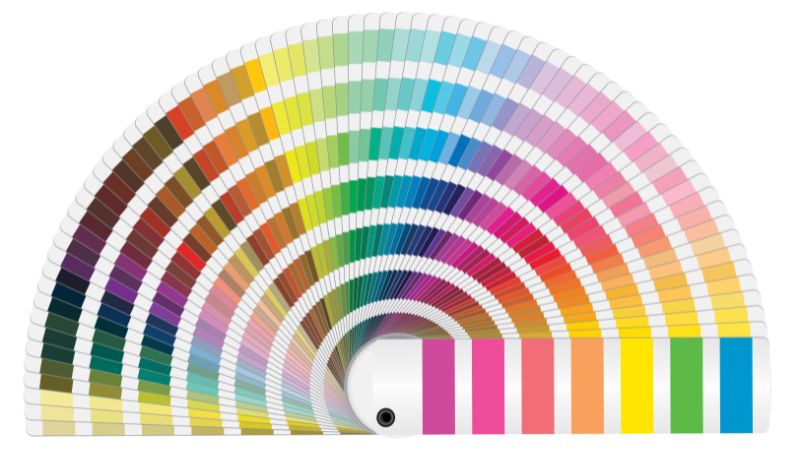
Do not rely only on colors displayed on a computer screen. Screens use light, while printing uses ink or other decoration methods. The material underneath the ink also changes the result.
A color printed on white paper may look different on transparent plastic, kraft paper, metalized film, or a frosted bottle.
You should agree on a physical color target or approved production sample whenever possible.
Use Preproduction Samples Carefully
A digital rendering can help you review shape and layout. However, it cannot fully represent the final printed color, surface texture, gloss, opacity, or metallic effect.
A prototype may be enough for checking size and structure. A press proof or decorated preproduction sample is better for evaluating print quality.
When reviewing the sample, check it under controlled lighting. Compare it with your approved reference. Record your comments clearly and state which color, area, or measurement needs adjustment.
Choose a Packaging Partner with Strong Process Control
Before placing an order, ask your supplier useful questions:
- How do you measure color differences?
- How often is printing equipment calibrated?
- Can you match a physical Pantone reference?
- How do you control color across repeat orders?
- Are production samples retained?
- How are nonconforming products handled?
- Can you provide inspection records?
- Have you produced packaging for major retail programs?
You should also confirm the retailer’s current requirements directly. A retailer may use different rules for private-label products, national brands, promotional packaging, or specific product categories.
Choose GMI-Certified Somewang Packaging
As a GMI-certified packaging manufacturer, Somewang Packaging helps you achieve accurate colors, consistent print quality, and more reliable repeat orders. From design support to printing, decoration, and quality control, you can manage your packaging project through Somewang.
Contact us today to create retail-ready packaging with stronger color control and lower production risk.
Frequently Asked Questions
Is GMI the same as ISO certification?
No. GMI uses established printing and process-control principles, including practices associated with ISO printing standards. However, GMI has its own printer evaluation, scoring, monitoring, and brand-specific quality programs.
Does every retailer require GMI-certified packaging?
No. Requirements vary by retailer, brand, product category, country, and supplier agreement. Some programs may require a GMI-certified printer, while others use an internal approval process or another third-party standard.
Does GMI certification apply only to paper boxes?
No. It can apply to several printing technologies and packaging formats. These may include folding cartons, labels, flexible packaging, shrink sleeves, and other printed components. The relevant controls depend on the material and printing process.
Can GMI certification guarantee that my packaging will be approved?
It can reduce risk, but it does not guarantee automatic approval. Your artwork, regulatory text, barcode, structure, materials, and retailer-specific requirements must also be correct.
Why should you care about GMI if your retailer does not require it?
The same process controls can improve your packaging consistency. You can reduce color variation, strengthen brand recognition, and make repeat orders easier to manage.
How can SW Packaging support your retail packaging project?
You can work with SW Packaging on package development, material selection, component matching, decoration, printing, labeling, and assembly. By defining your color and quality requirements early, you can create packaging that is better prepared for retailer review and mass production.