
For sustainable packaging, you can now choose plant-based materials, recycled plastics, recovered plastic waste, and simplified mono-material structures. However, each option has different benefits, limitations, and disposal requirements. By comparing straw, sugarcane, PUM, PLA, PCR, Ocean Bound Plastic, and mono material, you can select green packaging without sacrificing product protection or brand appeal.
Seven Environmental Packaging Materials You Should Know
Straw and Sugarcane-Based Packaging
Straw packaging usually combines agricultural fibers, such as wheat straw, with a plastic resin. It gives bottles, jars, tubes, and makeup cases a natural texture. Small fiber particles may remain visible, which can help you communicate a more organic brand image.
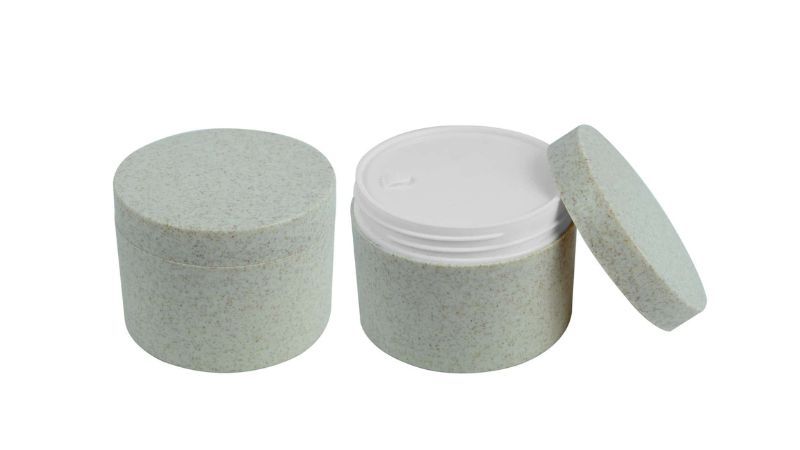
Straw material also uses an agricultural by-product that might otherwise have limited value. However, you should not assume that every straw package is fully biodegradable. Its end-of-life properties depend on the type and amount of resin blended with the straw.
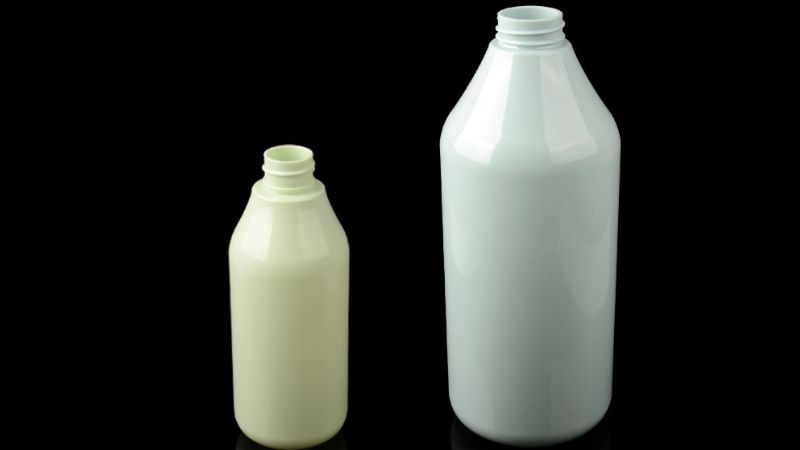
Sugarcane packaging takes a different approach. Sugarcane-derived feedstock can replace part of the fossil-based raw material used to produce plastic. The finished packaging may still perform like conventional HDPE or PE, depending on the formula.
PUM and PLA Packaging
PUM is a newer term used for some environmentally focused packaging compounds. Unlike familiar resin names such as PET, PP, or PLA, you should not rely on the name “PUM” alone when making a purchasing decision.
Ask your supplier for the full material composition, bio-based percentage, test report, disposal method, and certification. You should also conduct compatibility testing with your formula. This is especially important for products containing oils, alcohol, acids, or active skincare ingredients.
PLA stands for polylactic acid. It is a bio-based polymer commonly made from renewable plant resources. PLA can provide a clean appearance and can be molded into cosmetic cases, jars, bottles, and other rigid components.
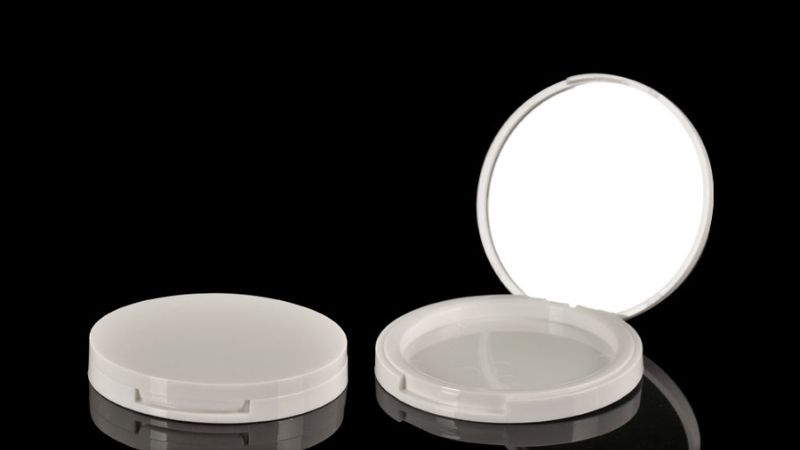
PLA is often described as compostable, but this statement needs context. Most PLA packaging requires controlled industrial composting or organics-processing conditions. It should not automatically be presented as suitable for home composting.
PCR, Ocean Bound Plastic, and Mono Material
PCR means post-consumer recycled material. It comes from products that have already been used and collected after their original purpose ended. The material is processed into resin and used again in new packaging.
PCR can reduce your use of virgin plastic while creating demand for collected waste. It can be used in PET, HDPE, PP, and PE packaging, depending on the product design and available supply.
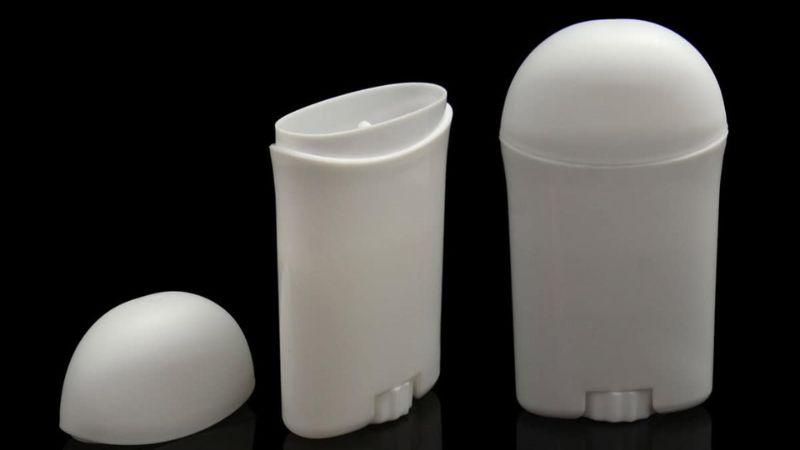
You may notice small color differences or tiny marks in PCR packaging. These are not always defects. They can be natural results of recycled feedstock. You should approve the acceptable appearance, PCR percentage, color range, and odor requirements before production.
Ocean Bound Plastic, or OBP, refers to abandoned plastic waste that is at risk of reaching the ocean. It is normally collected before it enters marine environments and then processed for reuse. Certification programs can support traceability across collection, recycling, and manufacturing.
Mono-material packaging is designed mainly from one polymer family instead of several incompatible layers. For example, a pouch may use a structure based mainly on PE or PP.
This simplified construction can improve sorting and recycling because fewer materials need to be separated. However, recyclability still depends on barriers, inks, adhesives, closures, and local collection systems. Some industry guidelines define mono-material flexible packaging as containing more than 90% of one compatible polymer family.
How to Choose the Right Sustainable Packaging Material
Compare Performance, Appearance, and End of Life
No single material is best for every product. You need to balance sustainability with formula protection, shelf life, cost, decoration, and local waste systems.
| Material | Main sustainability approach | Suitable packaging examples | Important point to verify |
| Straw | Uses agricultural fiber in a material blend | Jars, tubes, palettes and bottles | Resin type and actual disposal method |
| Sugarcane | Replaces part of fossil feedstock with renewable feedstock | Lotion bottles and squeeze tubes | Bio-based percentage |
| PUM | Uses an eco-focused proprietary compound | Bottles, jars, tubes and sets | Exact formula and certifications |
| PLA | Uses a plant-derived polymer | Compact cases, jars and rigid containers | Industrial composting access |
| PCR | Reuses plastic previously used by consumers | Bottles, tubes, jars and sticks | PCR percentage and color variation |
| Ocean Bound Plastic | Recovers plastic at risk of entering the ocean | Bottles, jars and personal care packaging | Traceability and certification |
| Mono material | Simplifies the packaging structure | Pouches, tubes and some dispensing systems | Local recycling compatibility |
Test the Complete Package
You should evaluate more than the main container. A recyclable bottle may still use a pump with metal springs, several resins, or hard-to-remove decorative parts.
Review the bottle, closure, pump, label, ink, coating, liner, and outer package together. Reducing unnecessary components can sometimes provide a greater benefit than changing one material.
Formula testing is also essential. Ask your supplier to test leakage, drop resistance, temperature stability, sealing, decoration adhesion, and chemical compatibility. This helps you avoid selecting a material that sounds sustainable but cannot safely protect your product.
Match Your Claims to Evidence
Avoid broad claims such as “100% green” or “completely biodegradable” unless you have strong evidence. A more useful statement identifies the actual benefit.
For example, you can state that a bottle contains a defined percentage of PCR, uses sugarcane-derived feedstock, or is designed with a mono-material structure. Clear claims are easier for your customers and retail partners to understand.
Build More Sustainable Packaging with Somewang Packaging
Somewang Packaging gives you access to straw, sugarcane, PUM, PLA, PCR, Ocean Bound Plastic, and mono-material solutions through one experienced packaging partner. You can combine material selection with custom design, molding, decoration, testing, labeling, and assembly.
Recommended Sustainable Packaging Products
- Wheat-Straw Cosmetic Cream Jar – SWC-JP10AY-2: A natural-looking jar for face cream, masks, hair wax, clay, and body care products.
- PLA or Wheat-Straw Compact Case – SWC-CMF027: A customizable compact case for pressed powder, blush, highlighter, and other makeup products.
- 100% PCR Stick Container – SWC-SPP15D: A recycled-plastic packaging option for sunscreen, deodorant, balm, and solid skincare formulas.
- Custom Cosmetic Squeeze Tube – SWC-TD50150BC: A flexible tube available in sugarcane, PCR, PE, ABL, and PBL materials for sunscreen, eye cream, lotion, and skincare products.
- Custom PUM, Ocean Bound Plastic, and Mono-Material Packaging: SW Packaging can develop bottles, jars, tubes, pouches, and complete packaging sets based on your formula, capacity, design, and sustainability goals.
Contact our team today to develop packaging that protects your product, supports your environmental targets, and gives your brand a stronger sustainability story.
Frequently Asked Questions
Which environmental packaging material is best for cosmetics?
The best option depends on your formula and brand goals. PCR is suitable when you want recycled content. Straw and sugarcane materials create a plant-based story. PLA can suit selected rigid components, while mono-material structures can support recyclability.
Is plant-based packaging always biodegradable?
No. Plant-based feedstock describes where part of the material comes from. It does not automatically define how the package breaks down. Always check the complete formula and required disposal conditions.
Can PCR packaging have the same color as virgin plastic?
It can be customized, but exact clarity and color consistency may be more difficult at high PCR percentages. Dark, natural, opaque, and muted colors often help manage recycled-material variation.
Is Ocean Bound Plastic the same as ocean plastic?
No. Ocean Bound Plastic is collected while it is still at risk of reaching the ocean. It is not necessarily recovered from the ocean itself.
Can Somewang Packaging customize sustainable packaging?
Yes. We support custom structures, molds, colors, printing, labeling, and assembly. Its published certifications include GRS, SGS natural straw plastic, and SGS PCR documentation, supporting its experience with recycled and alternative materials.