
A formula can look stable in a laboratory beaker and still fail after it is filled into the final bottle, tube, pump or pouch. Cosmetic packaging compatibility testing answers a practical question: will the exact formula, package, closure, decoration and filling process stay stable, sealed and usable through the intended storage and distribution conditions? The answer comes from filled production intent samples, not from a material certificate or an empty component alone.
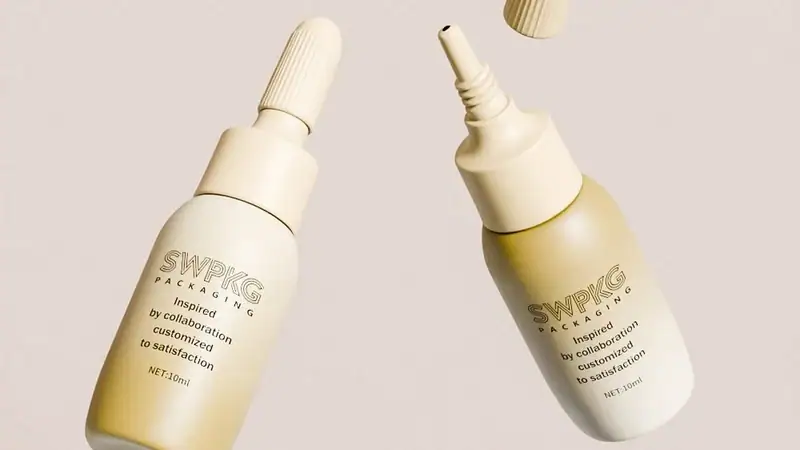
Why compatibility testing matters
Compatibility problems are often gradual. A fragrance can change the odor of a polymer, an alcohol rich formula can stress a container or seal, pigments can restrict a dip tube, and repeated temperature changes can reduce spray quality. A package may look perfect at day one and still develop leakage, haze, swelling, cracking, label lift or inconsistent dosing later.
A useful test plan therefore links three questions: what can interact, what conditions will accelerate the risk, and what evidence is needed for release. This risk based approach helps a brand spend time on the interfaces most likely to affect product quality and consumer experience.
Start with the complete packaging system
Define the system before any samples are filled. Include the container or inner tank, liner, gasket, spring, dip tube, pump, sprayer, applicator, cap, decoration and secondary pack. Record the formula revision, viscosity, pH, alcohol or oil content, fragrance, pigments, fill volume, target shelf life, shipping route and expected storage conditions.
Freeze the test configuration
- Identify the formula and packaging revision on every sample and in the test report.
- Use production intent components, decoration and filling equipment rather than concept samples.
- Keep a control sample in a proven reference package for comparison at each time point.
- Define the intended orientation, headspace, fill level and closure torque before testing.
- Write measurable pass or fail criteria before the first sample enters the chamber.
Build a risk based test plan
Start by mapping the formula to the interfaces it can affect. A low viscosity, alcohol rich formula puts more attention on bottle walls, liners and pump seals. A pigment rich foundation increases the risk of dip tube or actuator blockage. A fragrance or essential oil formula calls for closer observation of odor transfer and elastomer swelling. A high water activity or surfactant rich product may expose seal and decoration weaknesses during storage and handling.
| Formula signal | Likely high risk interfaces | Priority checks |
| Alcohol, fragrance or essential oils | Bottle wall, liner, gasket, pump seals and decoration | Swelling, stress cracking, odor transfer, leakage and ink adhesion |
| Pigments, powders or high solids | Dip tube, valve, actuator, sponge or wand | Priming, dose consistency, clogging, wipe off and residue |
| Low viscosity or high flow | Closure, shoulder, seam, spout and cap | Leakage in different orientations, torque and seal integrity |
| Light or oxygen sensitive actives | Wall structure, headspace and barrier layer | Color, odor, separation, weight loss and light exposure response |
| Refill or repeated use | Spout, reseal, hinge, pump recovery and user contact areas | Open close cycles, contamination risk, cap retention and final dose |
Use a short screening study to remove unsuitable materials quickly, then run final approval with the production intent package filled at the intended volume and closed with the intended equipment. If the pump, resin, coating, artwork, supplier or filling line changes after approval, treat it as a new risk assessment.
Stress the filled package
Prepare replicate samples in the exact configuration proposed for sale. Keep room temperature units as a reference, then add accelerated conditions that represent the expected market and logistics. Depending on the product, the plan may include heat and humidity, thermal cycling, light exposure, vibration, drop, compression, orientation changes and repeated opening or dispensing.
- Record temperature, humidity, light exposure, orientation, duration and inspection time points.
- Use reserve units so a developing failure can be opened, photographed and investigated without losing the main series.
- Test the primary pack inside the intended carton, insert or shipping case when the secondary pack changes movement or protection.
- Treat accelerated results as evidence under the tested conditions, not as a direct prediction of an exact shelf life.
Inspect formula, package and decoration
At each time point, compare the filled package with the control. Inspect the formula for color change, odor change, separation, precipitation, viscosity shift and weight loss. Inspect the container for swelling, haze, embrittlement, deformation, stress marks and cracks around shoulders or corners. Check caps, seams, spouts, liners and pump interfaces for torque change, leakage and seal loss.
Decoration is part of compatibility, not a separate cosmetic review. Condensation, oils and repeated handling can cause label lift, ink transfer, scuffing or hot stamping loss. Photograph the same view at every time point and use a reference sample when a visual judgment is subjective.
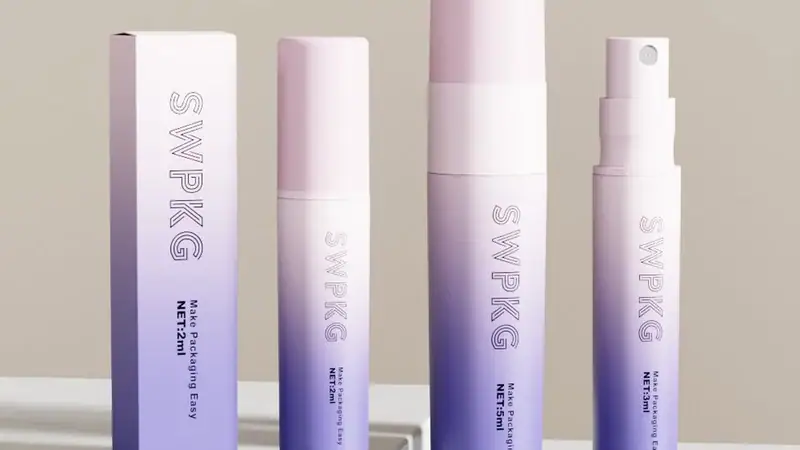
Verify dispensing performance
A package can remain intact and still fail in use. For a pump, measure first-use priming, output per actuation, recovery after release, dose consistency and residual product. For a fine mist sprayer, record spray pattern, droplet feel, output, clogging and cap protection. For a sponge, wand or brush, check loading, transfer, wipe off, streaking, cleaning and application uniformity.
- Check performance at the beginning, middle and end of the test period.
- Repeat checks after storage, thermal cycling, vibration and drop exposure when those conditions represent real handling.
- For travel or refill packs, test cap retention, reseal behavior, accidental actuation and use at different angles.
Set acceptance criteria and make a release decision
Acceptance criteria should be specific enough for a different reviewer to reach the same conclusion. Use measurable limits where possible and define a trained visual method for color, odor, decoration or application feel. The final report should state exactly which formula, package, conditions and time period were tested; it should not imply approval for an untested revision.
| Release gate | Example acceptance criterion | Evidence to retain |
| Formula | No unacceptable color, odor, separation, precipitation or viscosity change | Time point photos, observations and control comparison |
| Container and seal | No visible leakage, cracking, swelling or loss of seal integrity | Mass checks, torque or leak results and close-up photos |
| Dispensing | Output, priming and spray pattern remain within the agreed range | Dose records, spray images and reserve-unit inspection |
| Decoration | No critical ink lift, label loss, scuffing or transfer | Rub or handling notes and standardized visual review |
| Traceability | Every result tied to a formula and packaging bill of materials revision | Sample IDs, drawings, supplier data and approval signatures |
The supplier should provide drawings, material declarations, component specifications, tolerances and sample support. The brand owner or responsible filler should confirm formula details, market conditions, filling process, acceptance criteria and final disposition. Store the report with the formula version, packaging bill of materials, photos and approval date so repeat orders and alternate components can be managed through change control.
Send a complete test brief to the supplier
A complete brief reduces generic sampling and makes the supplier’s recommendation more useful. Include the product type, viscosity, pH, key solvents or oils, pigments or solids, target fill, expected shelf life, market, decoration, filling method, shipping route and required tests. Add drawings, neck dimensions, reference samples and the intended secondary pack when available.
- Ask which component materials are recommended for direct contact and which grades are available for the target application.
- Confirm the recommended viscosity range, output per stroke, dip tube options, spring location, cap protection and assembly method.
- Request the supplier’s change notification process and the information needed to repeat or extend the test.
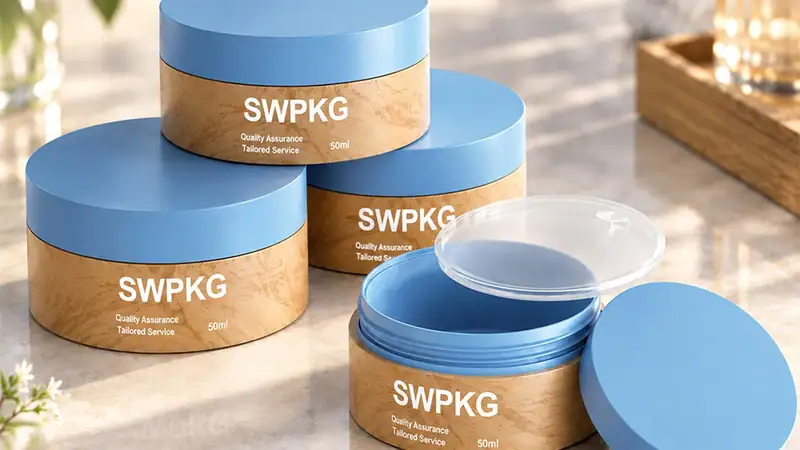
How SW Packaging can support the testing process
SW Packaging supplies makeup and skincare formats including foundation bottles, airless systems, pumps, sprayers, applicators and flexible pouches. Its face packaging range and applicators and accessories range allow brands to compare the complete dispensing system, not just the container. For samples, material review or OEM and ODM development, contact the Swpackaging with your formula characteristics, target capacity and filling method.
Frequently Asked Questions
1. Can a material certificate replace compatibility testing?
No. A certificate describes a material or component. It does not prove that the final formula, package, closure, decoration and dispensing system will remain stable and functional together.
2. How many samples are needed?
The number depends on the test design, time points and confidence required. A practical study should include replicate filled samples, controls and reserve units for follow-up inspection. The sample count should be agreed before filling so the result is auditable.
3. Is airless packaging always the safest option?
Not automatically. Airless packaging can reduce repeated air entry and provide controlled dosing, but the piston, pump, inner wall, seals and filling process still need to be tested with the actual formula.
4. When should compatibility testing be repeated?
Repeat the assessment after a meaningful change to the formula, resin, closure, pump, decoration, supplier, filling line, fill volume or target climate. A package that looks unchanged can still behave differently when a contact material or process tolerance changes.
The most useful compatibility test is specific enough to support a real release decision: one formula revision, one defined packaging system, one documented set of conditions and clear evidence for every pass or fail conclusion.