
Loose powder looks light and luxurious, but a small leak can waste product, frustrate your customer, and make your brand look careless. You also need to think about how your product moves through shipping, storage, travel, and daily use.
Good packaging can reduce that problem before it starts. If you make the product easier to control, you improve the user experience and protect the formula at the same time.
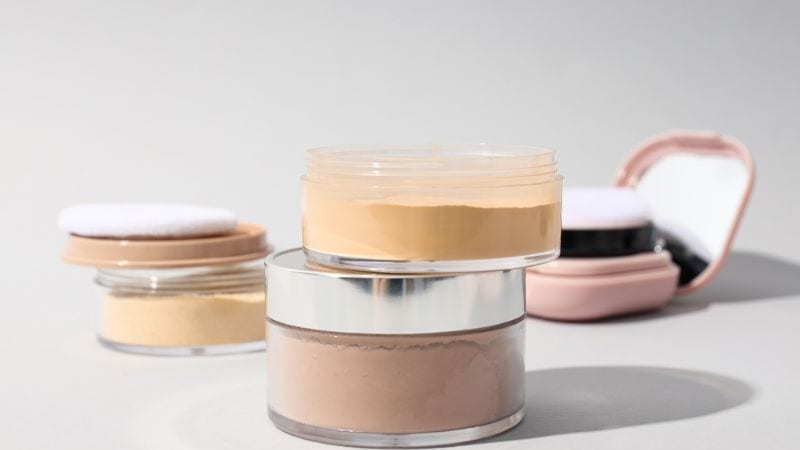
Start With Packaging That Controls the Powder
If you want to stop spills, packaging is the first line of defense. A loose powder pack should control flow, seal tightly, and stay stable in transit.
Choose the right sifter design
The sifter is one of the most important parts of a loose powder jar. It controls how much powder moves from the main reservoir into the top tray. If the holes are too large or too many, you can end up with a powder cloud every time the jar is turned or shaken.
This is a common user complaint. One practical tip from beauty users is to reduce the number of open sifter holes so less powder comes through at once. That idea points to a bigger packaging lesson: powder control should be built into the design.
Here is a quick comparison:
| Sifter type | How it works | Best use | Spill risk |
| Open multi-hole sifter | Many holes allow quick flow | Fast dispensing | Higher |
| Reduced-hole sifter | Fewer open holes slow the flow | Better powder control | Lower |
| Rotary lock sifter | Opens and closes with a turning motion | Travel and daily use | Low |
| Mesh sifter | Fine mesh softens powder release | Finely milled formulas | Low |
| Seal sticker + sifter | Temporary seal before first use | Retail and shipping | Very low before opening |
If your product is meant for travel or handbags, a rotary lock sifter is often a smart upgrade. It lets your customer close the powder path fully after use. That can greatly reduce leakage inside a bag.
Use strong sealing features
A good loose powder jar needs more than a cap. It needs a complete sealing system. That can include:
- A snug screw cap
- An inner lid or plug
- A sifter lock
- A sealing liner
- A tamper-evident first-use seal
Each layer lowers risk. If one part fails, another part may still protect the product.
This is especially important because loose powder products are often applied in small amounts. Sources on powder application repeatedly stress that less is more. Excess product causes waste, heavy finish, and handling problems. If the package dispenses too much too easily, it pushes the user toward overuse.
Match jar shape and size to user behavior
A wide jar may look premium, but it can also create more loose space for powder movement. During shipping, that movement can send product into the sifter and under the lid. When the customer opens the jar, they may find powder everywhere.
To reduce this risk, you should think about:
- Headspace: not too much empty space
- Jar depth: enough room for product, but not excess shaking
- Cap height: enough room for a puff or separator if needed
- Base stability: less tipping during use
If your user is likely to carry the product around, compact, low-center designs usually work better than tall unstable jars.
Improve the User Experience to Reduce Mess
Even great packaging can become messy if the product is used the wrong way. That is why your design should support better habits. When you make the pack intuitive, you help the customer use less product and create less mess.
Make dispensing easy to control
Many users struggle because too much powder comes out at once. Beauty tutorials often recommend starting with a very small amount, then building coverage gradually instead of loading up the brush from the start. That is useful advice for packaging teams too.
Your pack should support small-dose dispensing. That means the user can tap out a little powder, not half the jar. Better control helps prevent:
- Powder clouds
- Overloaded brushes
- Product waste in the lid
- Spills on clothing or counters
One simple principle works well here: design for one use, not maximum flow.
Add features that support cleaner application
Some loose powder packages are more user-friendly than others. If you want a cleaner experience, consider features like:
- Rotating sifters that open only when needed
- Powder puff separators that keep loose product from flying upward
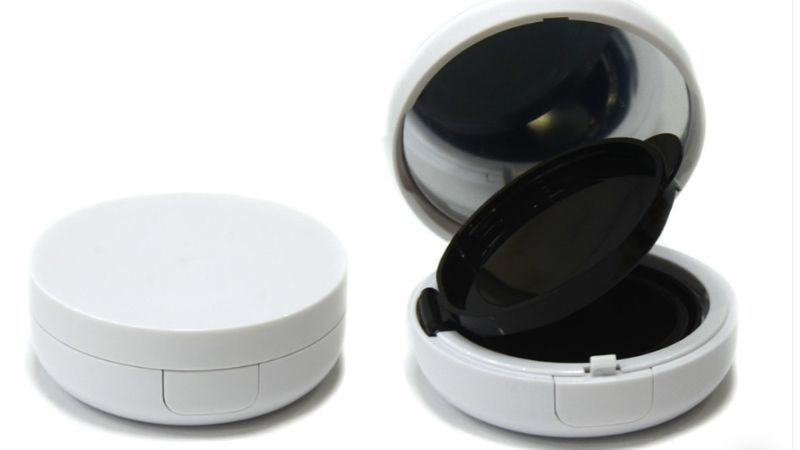
- Mirror lids for on-the-go use
- Double-wall jars for a more stable premium feel
- Click-close caps for stronger closure feedback
These details matter because users often tap, dab, and press powder rather than rub it in. Application guidance from powder makeup sources suggests using gentle pressing motions and tapping off excess instead of swiping or buffing heavily. A smart package should fit that routine.
Teach customers how to use the product
You can reduce spillage with simple instructions on the label, carton, or product page. Many spills happen because the customer opens the pack right after travel or shakes it too hard.
A short instruction set can help:
- Keep the jar upright before opening
- Tap gently, not forcefully
- Open the sifter only when needed
- Load a small amount into the tray
- Close tightly after use
This kind of guidance works because loose powder needs controlled handling. Even skincare and makeup sources that focus on finish and caking stress the same pattern: use a small amount, build slowly, and avoid excess.
Prevent Spillage During Filling, Shipping, and Storage
Loose powder problems do not begin only in the customer’s bathroom. They can start much earlier, during filling, transport, warehousing, or e-commerce delivery.
Test the package for real shipping conditions
A jar that looks fine on the shelf may fail in transit. Powder can migrate into the sifter during vibration, pressure changes, or repeated movement. That makes the first opening messy even if the cap never leaks.
You should test for:
| Test area | What to check | Why it matters |
| Vibration | Powder movement during transit | Prevents overfill in sifter |
| Drop resistance | Cap loosening or cracks | Reduces leakage and breakage |
| Torque retention | Cap stays tight after handling | Keeps seal secure |
| Temperature shifts | Material fit after heat or cold | Prevents seal failure |
| Inversion test | Leakage when turned upside down | Important for travel products |
If you sell through e-commerce, these tests matter even more. Parcels are turned, dropped, and stacked. A loose powder pack should be built for that reality.
Reduce overfilling and poor assembly
Sometimes the problem is filling control. If the jar is overfilled, powder sits too close to the sifter. That makes accidental release much more likely.
You should review:
- Filling level consistency
- Sifter fit accuracy
- Liner placement
- Cap torque settings
- Final inspection before packing
A small production error can create a big customer complaint.
Store and display the product the right way
You should also think about what happens after filling. If finished goods are stored on their side, handled roughly, or packed without separators, powder can shift into the closure area.
To lower risk:
- Keep finished jars upright where possible
- Use inserts or dividers in outer cartons
- Avoid loose packing in shipping cartons
- Add clear “store upright” guidance for retailers when needed
This is also where first-use seals help. They do not just protect against tampering. They also give the customer a cleaner opening experience.
Build Loose Powder Packaging That Controls Mess and Protects Brand
If you want loose powder packaging that feels clean, secure, and easy to use, Somewang Packaging can help you develop a solution that fits both your formula and your market. We provide manufacturing and R&D support in the packaging field, with expertise across make up, skin care, packaging box, and pouch. From jars and sifters to closures and custom cosmetic packaging components, contact our team to help you reduce spillage, improve user control, and strengthen your brand presentation.
Frequently Asked Questions
Why does loose powder spill so easily?
Loose powder has a very fine texture. It moves easily inside the jar and can pass through sifters, gaps, or poorly sealed lids. If too much powder reaches the tray, opening the jar can create a mess.
What kind of packaging is best for loose powder?
A jar with a secure screw cap, well-designed sifter, and ideally a rotary lock or inner seal is usually the best choice. These features help control flow and reduce leakage.
Do sifters really make a difference?
Yes. A good sifter controls how much powder is released. Beauty users often find that reducing open holes helps lower waste and improve control.
How can you stop too much powder from coming out?
You can use fewer sifter holes, add a locking sifter, reduce headspace, and give customers simple instructions to tap gently and use small amounts. Sources on loose powder use consistently recommend starting with less product and building slowly.
Is loose powder packaging suitable for travel?
Yes, but only if the pack has strong closure features. For travel, a lockable sifter and tight cap are much safer than a basic open sifter jar.
What causes powder mess during the first opening?
Powder often shifts into the sifter during shipping or storage. When the customer opens the lid, excess powder may already be sitting near the top. Better sealing, shipping tests, and reduced internal movement can help prevent this.