
When you develop a skincare formula with high active ingredients, you need to look at material, air exposure, light protection, sealing, and user convenience. Ingredients like retinol, vitamin C, peptides, acids, and plant actives can be sensitive to air, light, and contamination. Glass is often preferred because it is chemically inert, while airtight and light-resistant solutions help protect delicate formulations.
Why a Cosmetic Jar Matters for High Active Ingredient Formulas
High active skincare needs more protection than basic moisturizing cream. When your formula contains sensitive ingredients, the wrong jar can reduce product quality before the customer finishes it.
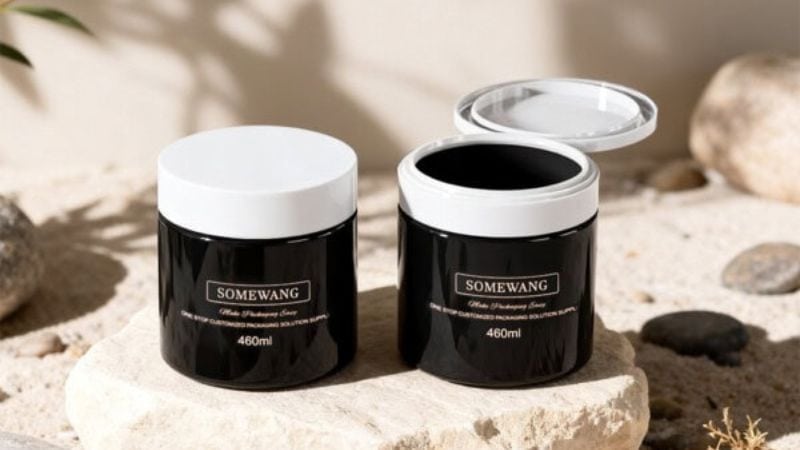
High active ingredients are easily affected
Many active ingredients are unstable by nature. They can react to oxygen, UV light, heat, and repeated contact with fingers. This may lead to oxidation, color change, odor change, or lower efficacy. Glass packaging is valued for delicate formulas because it is non-reactive, and tinted or frosted options can add extra light protection.
If you are filling a formula with strong actives, you should ask one simple question first: How well will this jar protect the formula after opening?
User experience also affects product value
Your customer does not only judge the cream inside. They also judge the package in their hand. A jar should feel secure, clean, and premium. It should open and close smoothly. It should not leak. It should match the positioning of your brand.
This is one reason glass jars remain popular in premium skincare. They offer a high-end feel, strong product compatibility, and a clear sense of quality.
Packaging must support your brand story
If your brand focuses on science-backed skincare, packaging should communicate precision and protection. If your brand focuses on sustainability, jar should also support that message. Recyclable materials, refillable concepts, and responsible design are increasingly important in beauty packaging.
How to Choose the Best Cosmetic Jar for High Active Ingredient Products
There is no single jar that fits every formula. The best choice depends on your ingredient system, texture, filling process, brand level, and customer use habits.
Choose the right material first
Material selection is one of the most important steps. Here is a simple comparison:
| Jar Type | Best For | Main Advantages | Watch Outs |
| Glass jar | Premium creams, exfoliating masks, active-rich treatments | Chemically inert, premium feel, easy to sanitize, strong compatibility | Heavier and more fragile |
| PET jar | Everyday creams, lighter mass-market products | Lightweight, recyclable, practical | Less premium, may offer lower barrier performance |
| PP/PE jar | Flexible or budget-friendly skincare packaging | Good chemical resistance, easy to customize | Lower luxury feel |
| Airless jar | Sensitive formulas with oxidation risk | Less air contact, cleaner dispensing, better formula protection | Higher structure complexity |
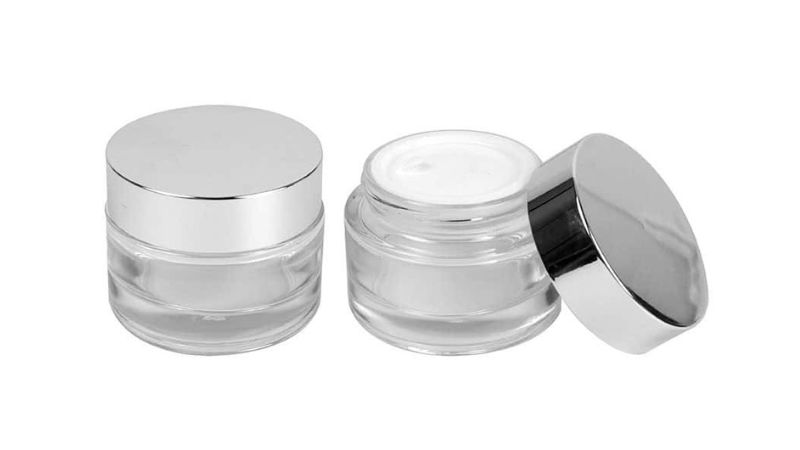
Glass is often a strong choice when your formula contains high-value actives. It is non-reactive and supports a more premium image. But if your formula is very air-sensitive, an airless jar may be even better because it reduces repeated air exposure during use.
Think about air and light protection
For high active ingredient formulas, protection from air and light can matter as much as the jar material. A clear decorative jar may look attractive, but it may not be ideal for formulas with unstable vitamins or botanical actives.
You should consider:
- Double-wall jar structures for added protection and premium feel
- Airless jar systems for formulas sensitive to oxidation
- Tinted or frosted finishes for light-sensitive products
- Inner liners and tight sealing systems for better shelf life
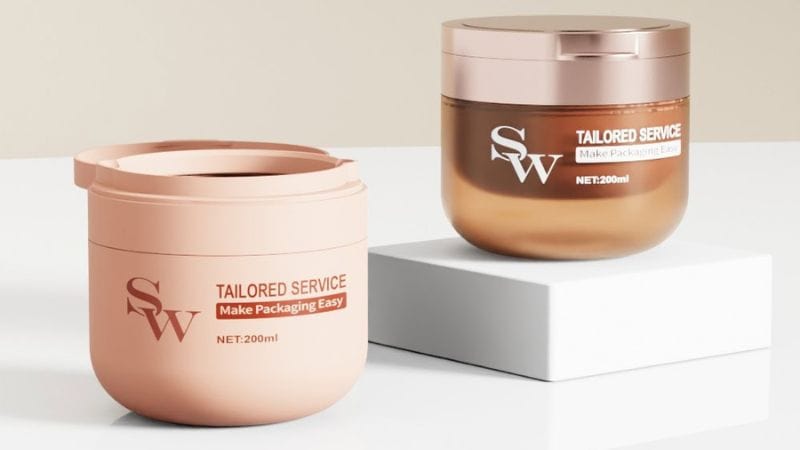
If your product is used daily and opened many times, a standard wide-mouth jar may expose the formula to too much air and contact.
Match the jar to the formula texture
You should also think about how the customer takes the product out.
A rich night cream, balm, or mask may work well in a classic jar. But a high-active gel cream or treatment formula may benefit from a cleaner dispensing system. If the product feels sticky, oxidizes fast, or should be used in controlled amounts, you may want a jar with a spatula, inner lid, or airless mechanism.
In short, your packaging should fit both the chemistry and the usage.
What Features Make a Cosmetic Jar Better for Premium Active Skincare
Once you choose the general jar type, the next step is to refine the design.
Look for sealing and compatibility testing
You need a packaging solution that works with your exact formula. That means checking compatibility, sealing, filling performance, and long-term stability.
Before launch, you should confirm:
- Material compatibility with the active ingredients
- Closure tightness and leak resistance
- Stability under different temperatures and light conditions
- User handling during repeated opening and closing
For active skincare, packaging should protect the formula through production, shipping, storage, and daily consumer use.
Use customization to strengthen product positioning
Packaging protection is the first job. Branding is the second. Your jar should help your product stand out without hurting performance.
You can improve presentation with:
- Matte or glossy finishes
- Frosted effects
- Custom colors
- Metalized caps
- Silk-screen printing
- Refillable design concepts
Luxury skincare brands often use packaging as part of the overall product value. Premium materials and refined decoration can increase shelf impact and support a stronger price position.
Consider sustainability without sacrificing protection
Today, many brands want eco-friendly packaging. That is a smart direction, but you should not sacrifice formula safety just to follow a trend.
The better approach is balance. You can look for:
- Recyclable materials
- Refillable jar systems
- Reduced material waste
- Durable packaging that supports reuse
- Packaging partners with sustainable development focus
Glass is widely valued for recyclability, while refillable solutions are becoming more common in beauty packaging. If your brand wants to combine performance and sustainability, this is where a strong packaging partner can help.
Find the Right Cosmetic Jar for Your High-Performance Formula
If you are developing skincare with powerful actives, your packaging should protect every dose from filling line to final use. Somewang Packaging offers custom cosmetic packaging solutions for beauty brands, including cream jars, double-wall jars, and airless jars, with a strong focus on customization, product development, and sustainable packaging.
If you want a cosmetic jar that matches your formula, brand image, and market goals, contact us to discuss your next project.
Frequently Asked Questions
What is the best cosmetic jar for high active ingredient skincare?
The best choice depends on your formula. In many cases, glass jars are a strong option because they are chemically inert and premium-looking. If your formula is very sensitive to oxygen, an airless jar may be the better choice.
Are glass jars better for active ingredients?
Often, yes. Glass is non-reactive and works well with many delicate skincare formulas. It is especially useful when you want a premium look and strong material compatibility.
When should you use an airless jar instead of a normal jar?
You should consider an airless jar when your formula is sensitive to oxidation, contamination, or repeated air exposure. This is common with retinol, vitamin C blends, peptides, and some botanical treatments.
Can a plastic jar still work for active skincare?
Yes, in some cases. PET, PP, and PE can work for certain formulas, especially when cost, weight, or portability matter. But you should always do compatibility testing before making a final decision.
What jar size is best for high active products?
Smaller sizes are often better for active-rich formulas because they reduce how long the product stays open after first use. This can help preserve freshness and performance.