
A trading company can be useful when you need small quantities across many unrelated categories. But if you need custom molds, technical development, large repeat orders, or greater control over quality, working with a direct manufacturer often gives you important advantages.
This guide compares both sourcing models and shows what you should check before choosing a packaging supplier.
What Is the Real Difference?
Communication With Production and Engineering
This is one of the biggest differences when you develop custom cosmetic packaging.
Imagine that your new serum bottle requires:
- A custom shape
- A specific neck size
- An airless pump
- A Pantone color
- Hot stamping
- A unique cap
- A new mold
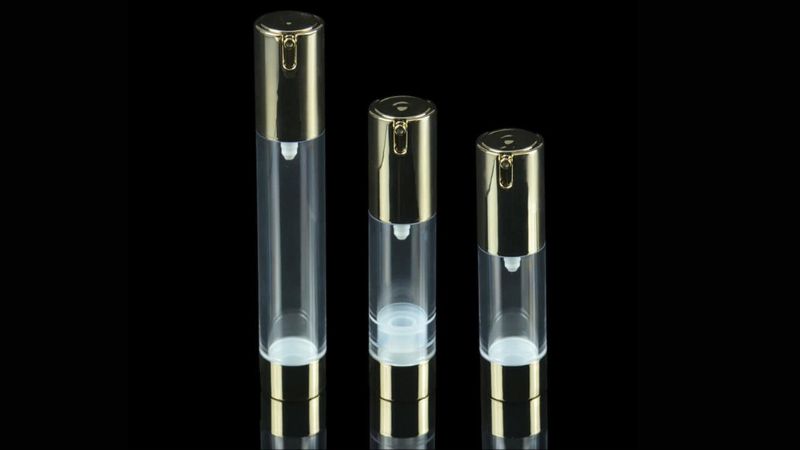
When you work directly with a manufacturer, technical questions can move from your project manager to the design, mold, engineering, and production teams.
A trading company normally needs to send your request to another factory. Experienced trading companies can manage projects well. However, custom packaging often involves many small revisions. Direct communication can make these changes easier to manage.
Manufacturing Control and Quality Inspection
The first sample is only the beginning.
If you order 50,000 or 100,000 packages, you need the mass-produced pieces to match the approved version.
You should therefore ask who controls:
- Raw materials
- Dimensions
- Injection or blow molding
- Pump assembly
- Color
- Printing
- Surface decoration
- Final inspection
A direct manufacturer has more immediate access to production information when a problem occurs. This becomes particularly important for repeat orders.
Product Range and Supplier Consolidation
Trading companies can have an advantage when you want to source many unrelated products from different factories.
However, a direct manufacturer with a broad production network can provide many of the same consolidation benefits.
This gives you the possibility of sourcing several packaging categories through one direct manufacturing group.
| Sourcing factor | Direct manufacturer | Trading company |
| Production | Controls actual manufacturing | Usually purchases from factories |
| Custom molds | Direct technical coordination | Coordinated through another factory |
| Quality investigation | Direct production access | Depends on supplier relationship |
| Small mixed orders | May have MOQ requirements | Can be more flexible |
| Product variety | Depends on manufacturing network | Often broad |
| Engineering support | Usually closer to production | Additional communication layer |
| Repeat orders | Strong when specifications are controlled | Depends on factory continuity |
| Factory audit | You can inspect actual production | You should identify the real producer |
| Pricing | Fewer supply-chain layers | Includes trading/service margin |
| Multi-factory sourcing | More limited | Often a key strength |
When Should You Choose a Direct Cosmetic Packaging Manufacturer?
Choose Direct Manufacturing for Custom Packaging
The more customized your project becomes, the more useful direct manufacturing can be.
A standard 100 ml PET bottle may not require extensive engineering. But a proprietary airless package, makeup compact, custom jar, or special pump can involve several development stages.
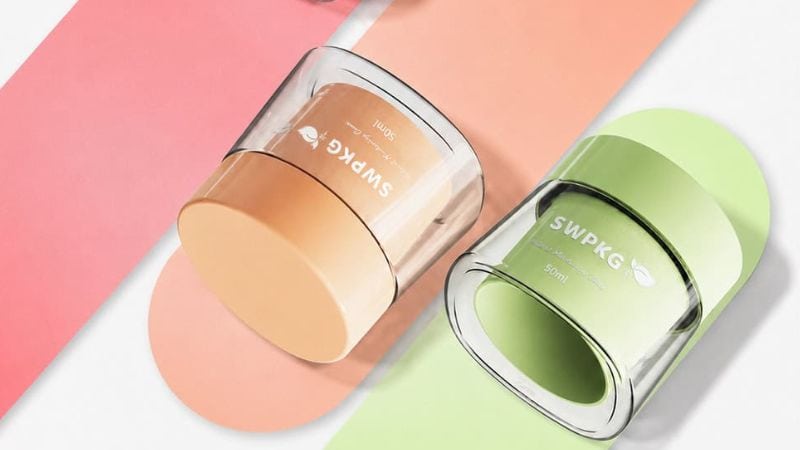
When working on a custom project, send your supplier:
- Product type
- Formula information
- Capacity
- Preferred material
- Reference design
- Closure requirement
- Decoration
- Quantity
- Target market
- Launch date
Choose a Direct Factory for Large Repeat Orders
If your packaging becomes part of a successful product line, repeatability becomes more important.
You may reorder the same package every quarter or every year.
A direct manufacturer can be valuable because you can discuss production planning, mold condition, inspection, material requirements, and future capacity directly.
You should always confirm the current production schedule before placing an order, especially during peak periods.
Choose Direct Manufacturing When You Need More Than One Process
A finished package may require:
molding + pump + decoration + labeling + assembly + inspection
If several different suppliers handle these processes, you need to coordinate them yourself.
This can simplify project management if you want one partner to handle more of the finished packaging.
When Can a Trading Company Be the Better Choice?
A trading company can still make sense.
You may prefer one when:
- Your quantities are very small
- You need many unrelated products
- You want to consolidate products from several factories
- You do not need custom tooling
- Your project is mainly based on standard stock packaging
Some trading companies also have excellent quality-control and supplier-management systems.
The important point is transparency.
You should know who actually manufactures your packaging, who owns your mold, and who is responsible if quality problems occur.
How to Verify a Direct Packaging Supplier Before Ordering
Ask to See the Manufacturing Capability
A direct manufacturer should be able to explain where and how your packaging is produced.
Ask for factory information, production videos, machine lists, manufacturing processes, quality procedures, and mold capabilities.
Test Samples Before Mass Production
Test physical samples.
You should check:
- Formula compatibility
- Leakage
- Pump output
- Closure fit
- Decoration
- Color
- Drop resistance
- Assembly
- User experience
For custom packaging, test the final decorated pre-production sample rather than only an undecorated prototype.
Compare Total Cost Instead of Unit Price
A direct factory may quote $0.40 while another supplier quotes $0.37.
That three-cent difference tells you very little by itself.
Your real packaging cost also includes:
- Tooling
- Decoration
- Samples
- Assembly
- Defects
- Packing
- Freight
- Quality inspection
- Delays
- Rework
A slightly higher unit price may be worthwhile if the supplier reduces production risk.
Consider Future Sustainability Requirements
You should also think about what your packaging program may need in two or three years.
Beauty brands are increasingly evaluating PCR materials, refillable formats, lightweight packaging, and designs that use simpler material structures.
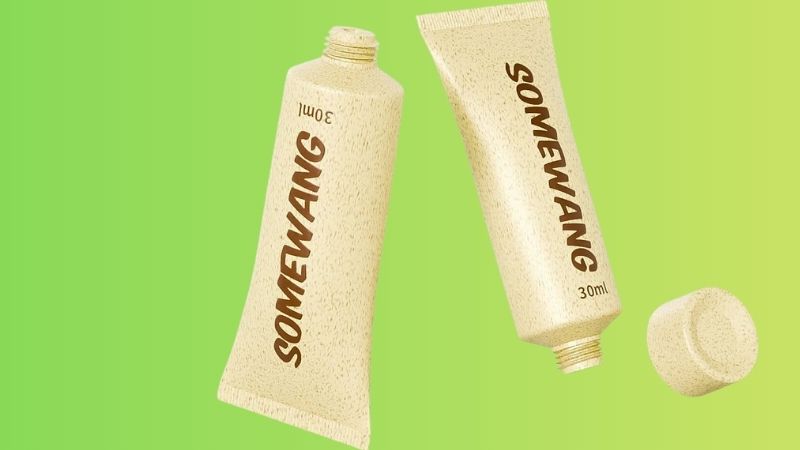
Somewang has a dedicated sustainable packaging platform alongside its conventional cosmetic packaging development capabilities.
Choosing a supplier with several development options gives you more flexibility when your brand strategy changes.
Choose Somewang as a Direct Cosmetic Packaging Supplier
Somewang combines direct manufacturing with product development, mold making, injection and blow molding, pump and sprayer manufacturing, tube production, decoration, labeling, assembly, and quality inspection. If you are looking for a direct cosmetic packaging supplier, you can start with an existing product from the Somewang packaging catalog or develop a proprietary package through the OEM/ODM customization service.
Contact us today to discuss your next cosmetic packaging project.
Frequently Asked Questions
Is Buying Directly From a Cosmetic Packaging Manufacturer Always Cheaper?
Not always. Factories still have production MOQs, tooling costs, setup requirements, and material requirements.
Trading companies can sometimes offer competitive prices for small orders because they work with several factories.
For larger repeat or customized orders, direct sourcing can reduce layers between you and the production process.
Can a Trading Company Develop Custom Cosmetic Packaging?
Yes. You should confirm who owns the tooling, where it is stored, which factory produces the goods, and how quality problems are handled.
Why Is Mold Ownership Important?
A custom mold may be used for several years.
Before paying the tooling fee, confirm who owns it, where it will be stored, whether another customer can use it, and what happens if you stop working with the supplier.
This should be clear before mold development begins.
How Can You Tell Whether a Supplier Is a Real Manufacturer?
Ask for factory videos, production-line information, equipment lists, manufacturing processes, quality-control procedures, and a live factory tour.
For large projects, you can also conduct an on-site or third-party factory audit.
What Should You Send a Direct Manufacturer for a Quote?
Provide your formula type, package format, capacity, material, dispensing method, decoration, quantity, reference design, target market, and required delivery date.
For a custom project, also send drawings or existing samples if available.