
Switching to eco-friendly packaging can reduce environmental impact, lower costs, strengthen brand reputation, and connect with eco-conscious consumers. These benefits make it a smart choice for businesses of any size.
This guide explores how sustainable packaging delivers value in multiple ways.

Key Environmental Advantages
Sustainable packaging cuts pollution, conserves resources, and keeps materials out of landfills through smarter design and material choices.
Reducing Carbon Footprint and Greenhouse Gas Emissions
Switching to eco-friendly packaging lowers your carbon emissions throughout the product lifecycle. Materials like recycled paper and plant-based alternatives require less energy to produce than virgin plastics. This means fewer greenhouse gas emissions from manufacturing.
Lighter packaging also reduces fuel consumption during shipping. When you use right-sized boxes and renewable resources, you cut transportation emissions significantly. Sustainable materials often source locally, which further decreases the carbon footprint from long-distance hauling.
Lowering Waste and Supporting Recycling
Recyclable packaging keeps materials in a circular economy instead of sending them to landfills. When you choose recyclable materials, you support waste reduction at scale.
Using recycled materials in packaging also decreases demand for new resource extraction. This conserves energy and natural resources while reducing environmental impact. Design matters too—packaging with recycle-compatible adhesives and inks improves recovery rates in existing recycling systems.
Promoting Biodegradability and Composting
Biodegradable packaging and compostable materials break down naturally without leaving harmful residues. Compostable packaging can return nutrients to soil through industrial composting facilities.
Biodegradable materials offer an alternative for items that can’t easily enter recycling streams. These sustainable materials reduce long-term environmental impact when they reach their end of life.
Operational and Economic Benefits
Sustainable packaging helps you reduce costs while improving how your business runs. You’ll see savings in materials, shipping, and compliance while meeting growing regulatory demands.
Cost Savings and Material Efficiency
Sustainable packaging solutions cut expenses through smarter material use. You can reduce packaging weight and volume, which lowers your material costs directly.
Lightweight designs mean less raw material for each package. This efficiency extends to waste management too. You’ll spend less on disposal when you use recyclable or compostable materials.
Research shows that a strong sustainability strategy can boost your EBITDA by 4 to 6%. These gains come from both cost savings and new revenue opportunities.
Some regions offer tax incentives and subsidies for eco-friendly packaging. These programs help offset higher initial costs of sustainable materials.
Improved Supply Chain and Transportation
Lighter sustainable packaging reduces your transportation costs significantly. You can fit more products per shipment when packages weigh less and take up less space.
Your supply chain efficiency improves with standardized sustainable packaging designs. This makes handling and storage easier at every step.
Meeting Regulatory and Compliance Standards
Packaging regulations are getting stricter worldwide. Sustainable packaging helps stay ahead of compliance with regulations before they become mandatory.
Extended producer responsibility laws require you to manage packaging waste. Choosing sustainable materials now prepares you for these requirements.
Enhancing Brand Value and Consumer Appeal
Sustainable packaging strengthens your brand reputation while attracting eco-conscious consumers. This shift creates real opportunities for market differentiation and builds lasting customer relationships.
Building Brand Reputation and Image
Your brand image gets a significant boost when you adopt sustainable packaging. Customers notice when businesses take responsibility for their environmental impact. Green packaging and plant-based packaging options show that you care about more than just profits.
Companies using eco-friendly materials build trust with their audience. This trust translates into a stronger brand reputation that sets you apart from competitors.
Responding to Growing Consumer Demand
Around 85% of consumers have changed their buying habits to choose more sustainable products. This massive shift means your packaging choices directly affect sales. Eco-conscious consumers actively look for brands that align with their values.
When you meet this consumer demand with sustainable solutions, you position business to capture a growing market segment that prioritizes environmental responsibility.
Market Differentiation and Customer Loyalty
Sustainable packaging gives you a competitive edge in crowded markets. It creates a clear point of market differentiation that helps shoppers choose products over similar alternatives.
This differentiation builds customer loyalty over time. When people find brands that share their environmental concerns, they tend to stick with them and recommend them to others.
Types of Sustainable Materials and Design Innovations
Sustainable packaging materials now include plant-based plastics that break down naturally, recycled options like paper and bamboo, and containers designed for multiple uses. Each type offers different benefits for reducing waste and environmental impact.
Plant-Based Plastics and Biopolymers: PLA, PHA
Plant-based materials like PLA (polylactic acid) come from corn or sugarcane and work well for food containers and cups. PLA breaks down in commercial composting facilities within 90-180 days, much faster than regular plastic. PHA is another plant-based packaging option made through bacterial fermentation. It biodegrades in soil and marine environments.

You’ll find these eco-friendly materials in takeaway containers, coffee cup lids, and produce bags. They perform similarly to traditional plastic for most applications but need commercial composting facilities to break down properly.
Recycled and Renewable Options: Paper, Kraft, Bamboo
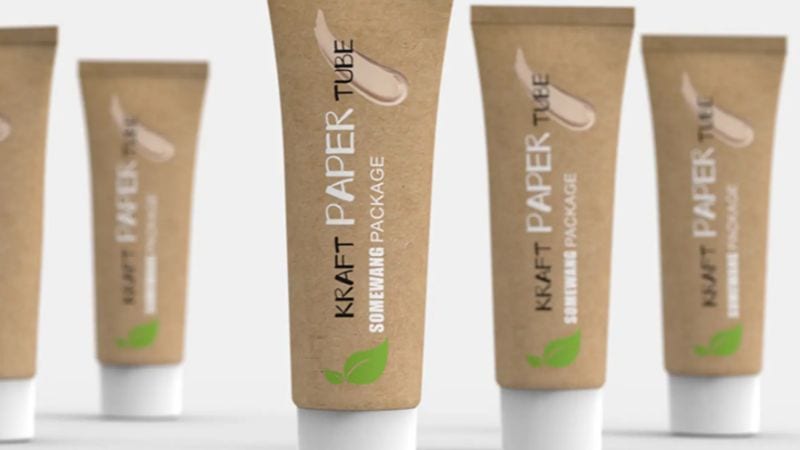
Recycled paper and kraft paper are proven sustainable packaging materials that break down easily. Kraft paper uses less chemical processing than regular paper, making it more eco-friendly. Bamboo grows quickly without pesticides and creates strong packaging fibers.
Agricultural waste materials like sugarcane bagasse now make commercial food containers at $720-980 per ton. These materials handle hot foods up to 90-120°C and compost within 45-90 days. Cloth bags offer another renewable choice for shipping and retail packaging.
Reusable and Modular Packaging Formats
Reusable containers cut waste by serving multiple shipping cycles before recycling. Modular packaging designs use less material by fitting products precisely, eliminating excess space and filler. Reusable packaging systems work well for business-to-business shipping and subscription services.
These formats reduce material costs over time despite higher initial investment. You can clean and recirculate sturdy containers 20-50 times before replacement.
Partner with Somewang for Smarter Sustainable Solutions
If you are ready to move from sustainability goals to practical packaging solutions, Somewang Packaging can support you with manufacturing and R&D expertise. Our portfolio covers a wide range of packaging formats, including bottles, tubes, jars, applicators, airless packaging, pouches, and sustainable packaging solutions. Explore our product range or contact us to create a packaging solution that fits your market, product, and sustainability strategy.
Frequently Asked Questions
How does eco-friendly packaging help reduce environmental impact?
Eco-friendly packaging reduces environmental impact by lowering greenhouse gas emissions and keeping materials out of landfills. These packaging solutions use less energy during production and often come from renewable resources.
Recycling and composting options help recover valuable materials instead of wasting them. Lighter-weight designs also decrease fuel consumption during shipping.
What makes packaging truly sustainable, and how can you tell?
Truly sustainable packaging uses recyclable or biodegradable materials that minimize environmental harm throughout their lifecycle. You can identify it by checking for certifications and clear labeling about material composition.
The design should support easy recycling or composting in existing systems. Sustainable packaging also considers production efficiency and reduced material use.
What are the most common examples of eco-friendly packaging materials?
Common eco-friendly materials include corrugated cardboard, paper, and certain biodegradable plastics. Metal cans and glass containers work well because you can recycle them repeatedly.
Plant-based materials and compostable films are growing options for food packaging.
How can sustainable packaging improve a brand’s reputation with customers?
Sustainable packaging shows customers that your brand cares about environmental responsibility. This commitment can increase customer loyalty and attract environmentally conscious buyers.
Are there cost savings or financial benefits to switching to greener packaging?
Lighter and more efficient materials reduce shipping costs and material expenses. You might face higher initial costs, but long-term savings often balance this out.
What rules or regulations should businesses know about when adopting sustainable packaging?
Regulations vary by location and industry. You’ll need to research local requirements for recyclability claims and material disposal standards.